
About the Project
Centre for Hadhrami and Diaspora Studies
Centre for Hadhrami and Diaspora Studies
The Centre for Hadhrami and Diaspora Studies is a premier research and archival unit under the CH Mohammed Koya Chair at the University of Calicut, supported by the Grace Educational Association. It is dedicated to uncovering, preserving, and studying the rich historical legacy of Sayyid communities—particularly the Hadhrami and Bukhari diasporas—and their profound impact on the socio-religious, cultural, and political landscape of South India. By recovering and digitizing rare, scattered manuscripts and promoting advanced research on Indian Ocean maritime history, the Centre serves as a global hub for safeguarding this invaluable transregional heritage.
Supported by Grace Educational Association, a collective of academics, philanthropists, and volunteers.
Key People & Advisors
The eminent scholars, patrons, and executive members steering the vision and activities of the Centre for Hadhrami and Diaspora Studies.
Chief Patron
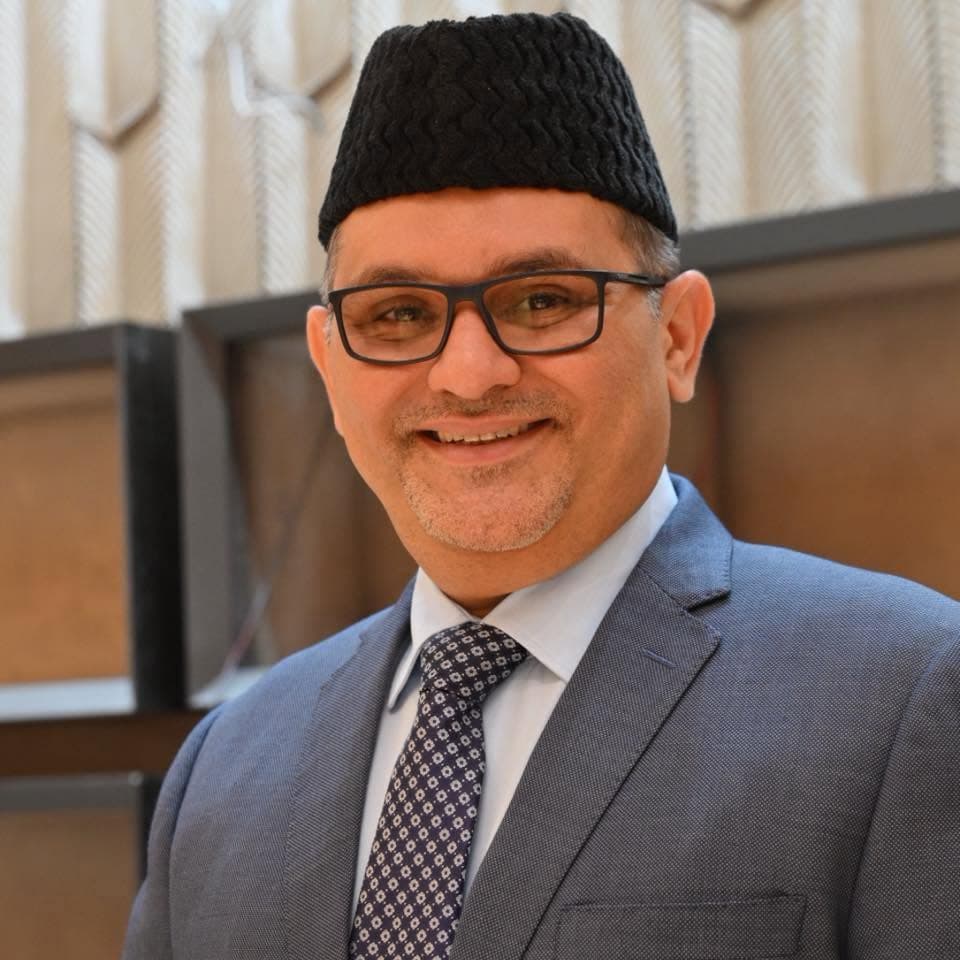
Sayyid Munavvar Ali Shihab Thangal
Patron
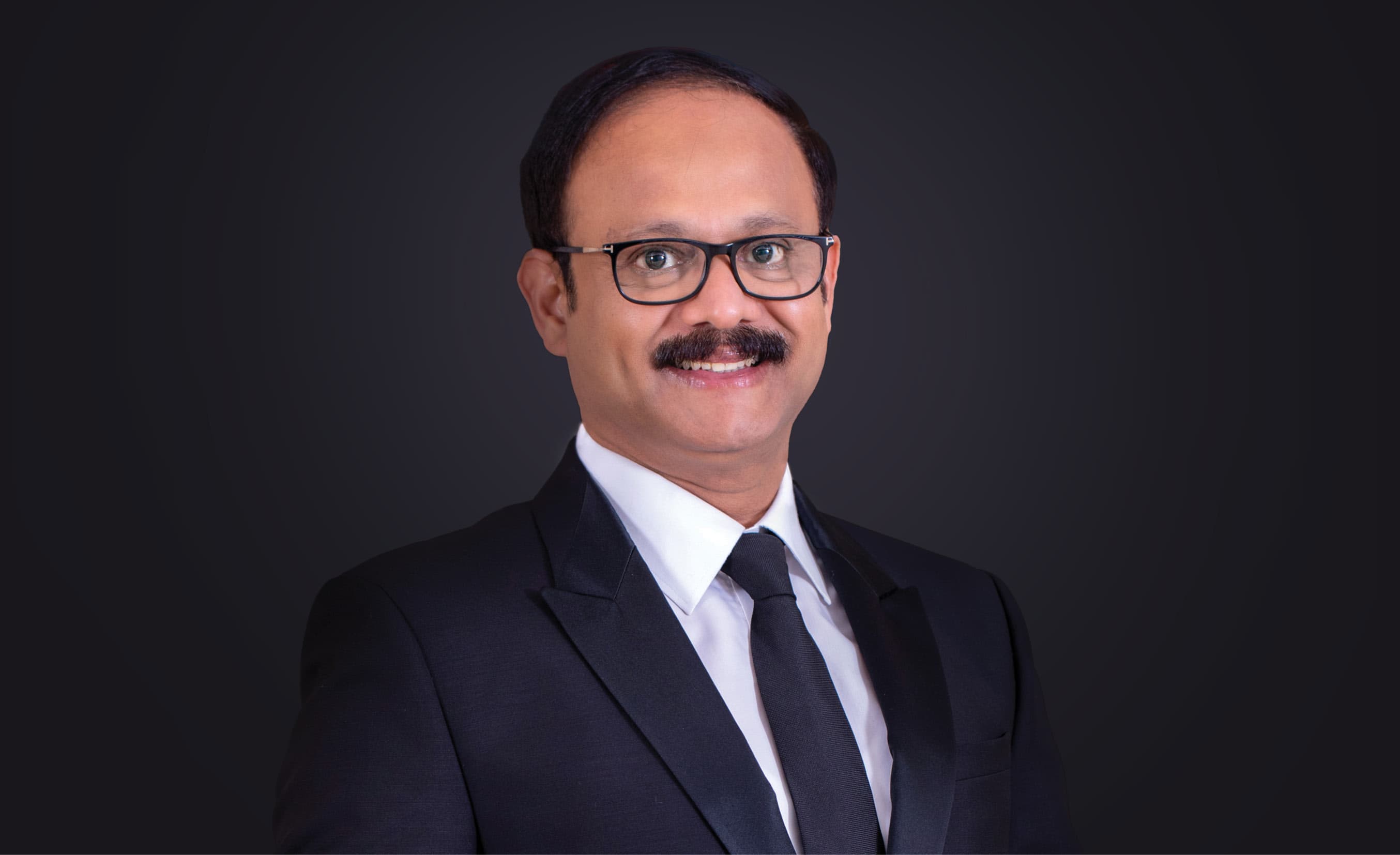
Siddeek Ahmed
Advisory Committee Chairman
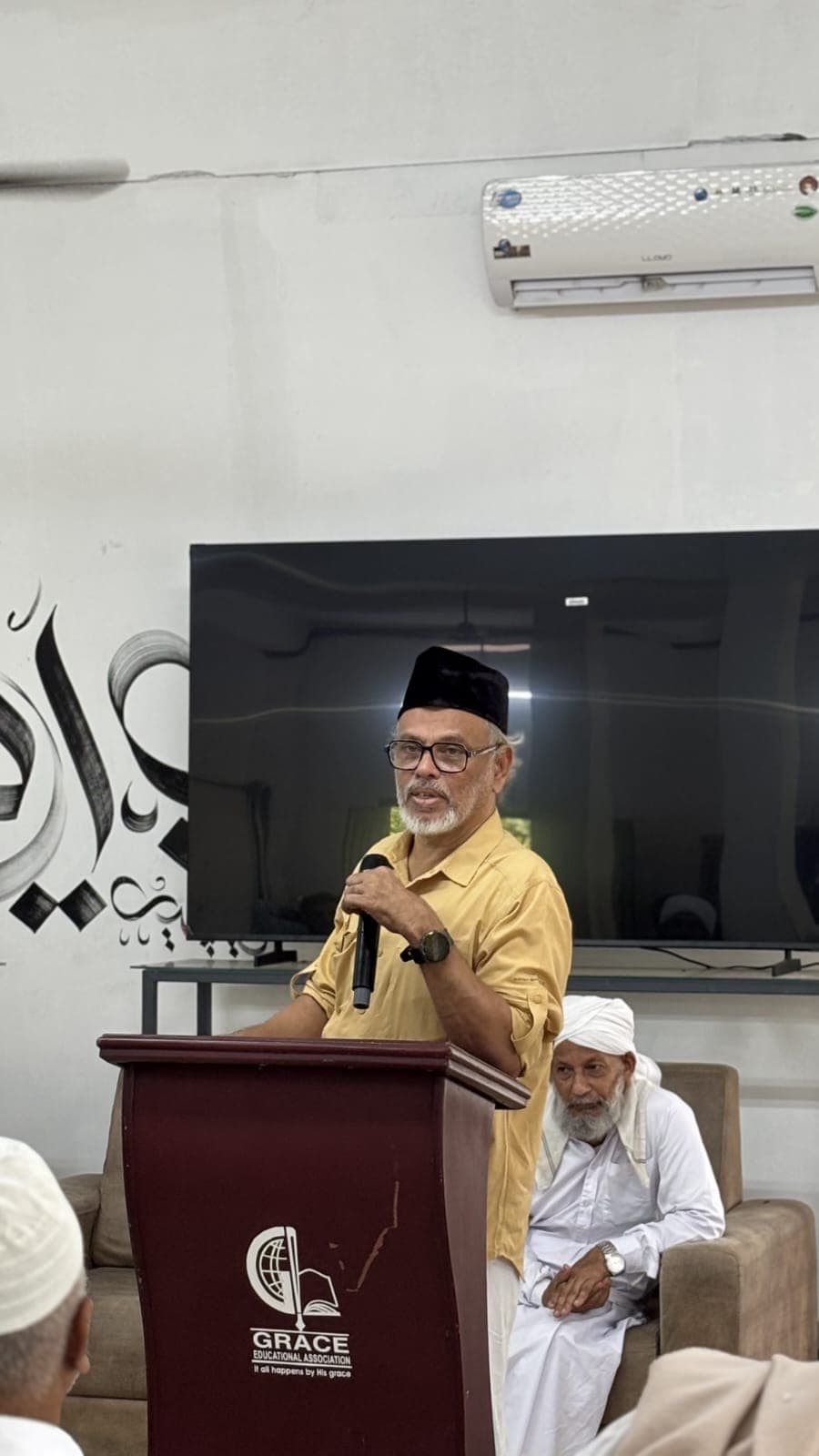
Syed Abdul Asraf
Advisory Committee Vice-Chairman
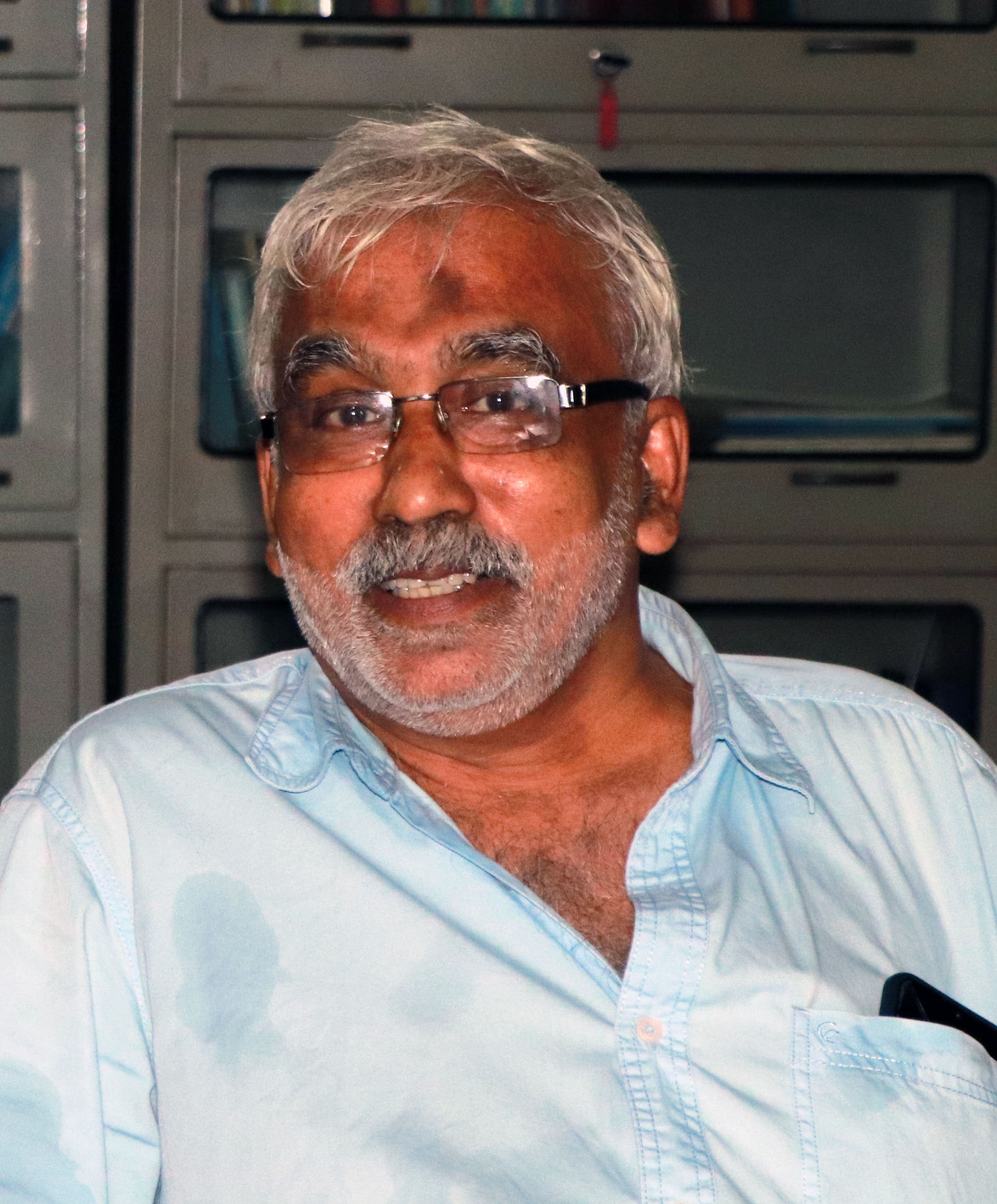
Abdurahman Mangad
Director
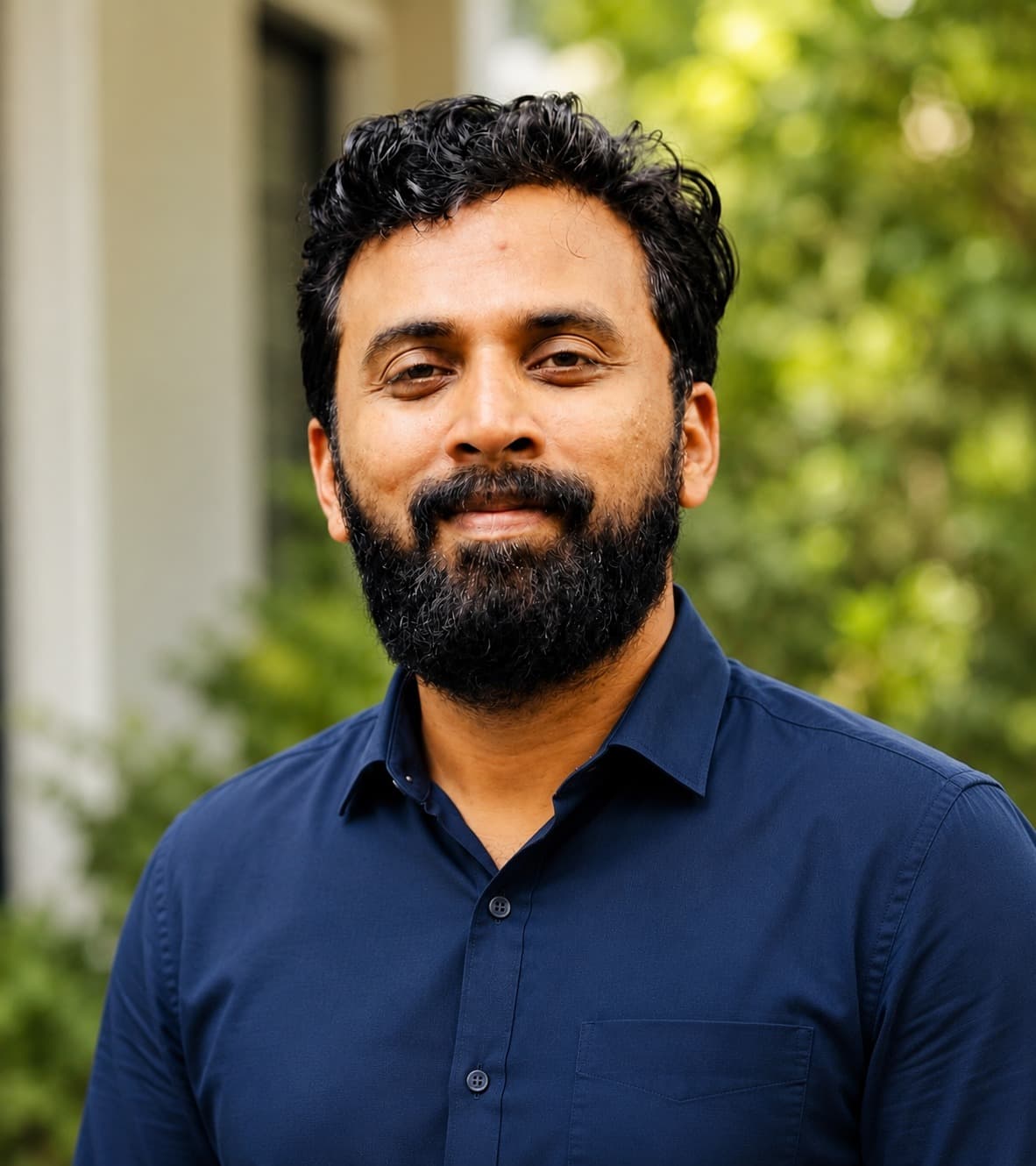
Dr. Sayyid Shakir
Executive Committee Member
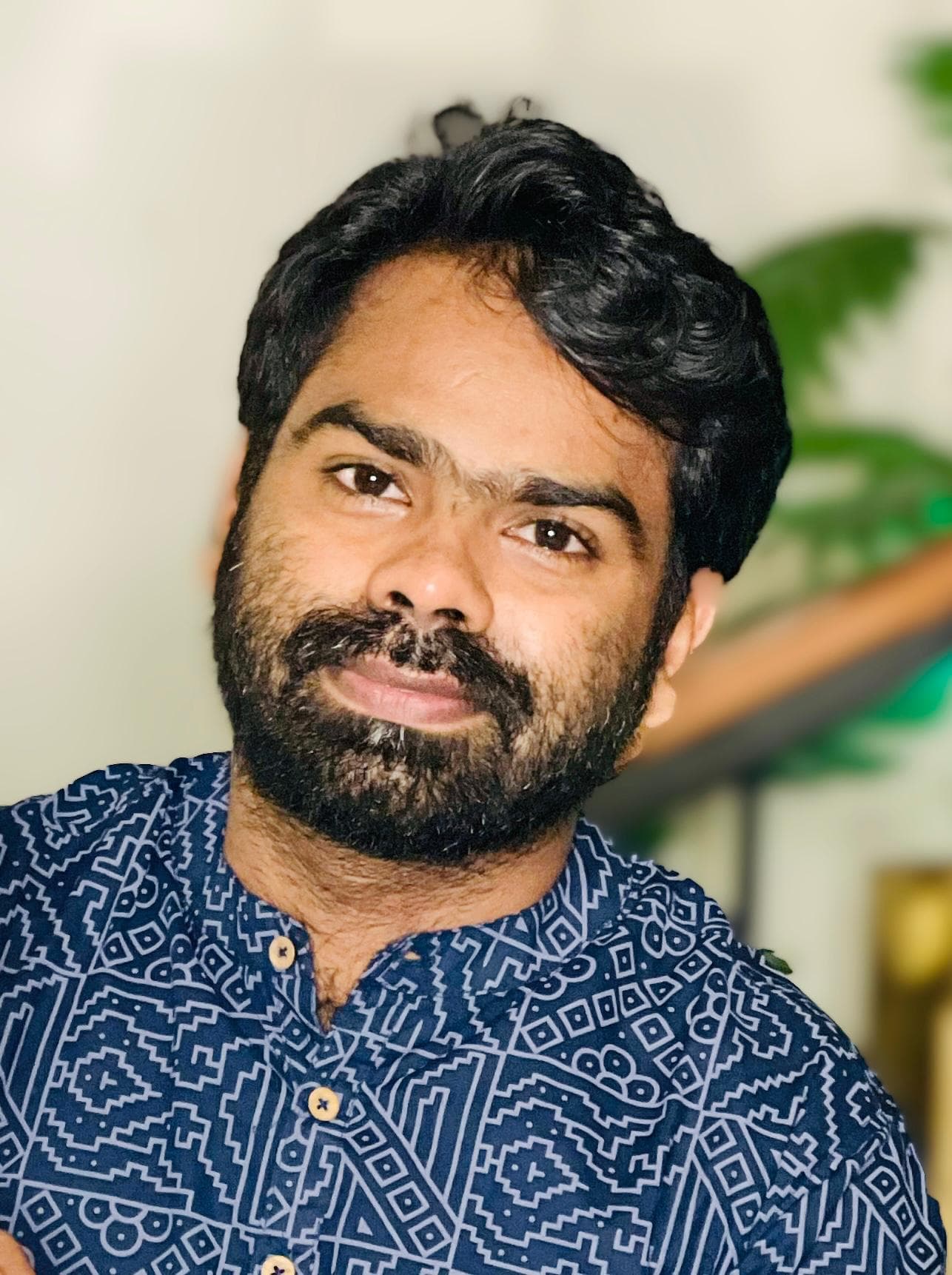
Dr. Irshad Kottappuram
Executive Committee Member
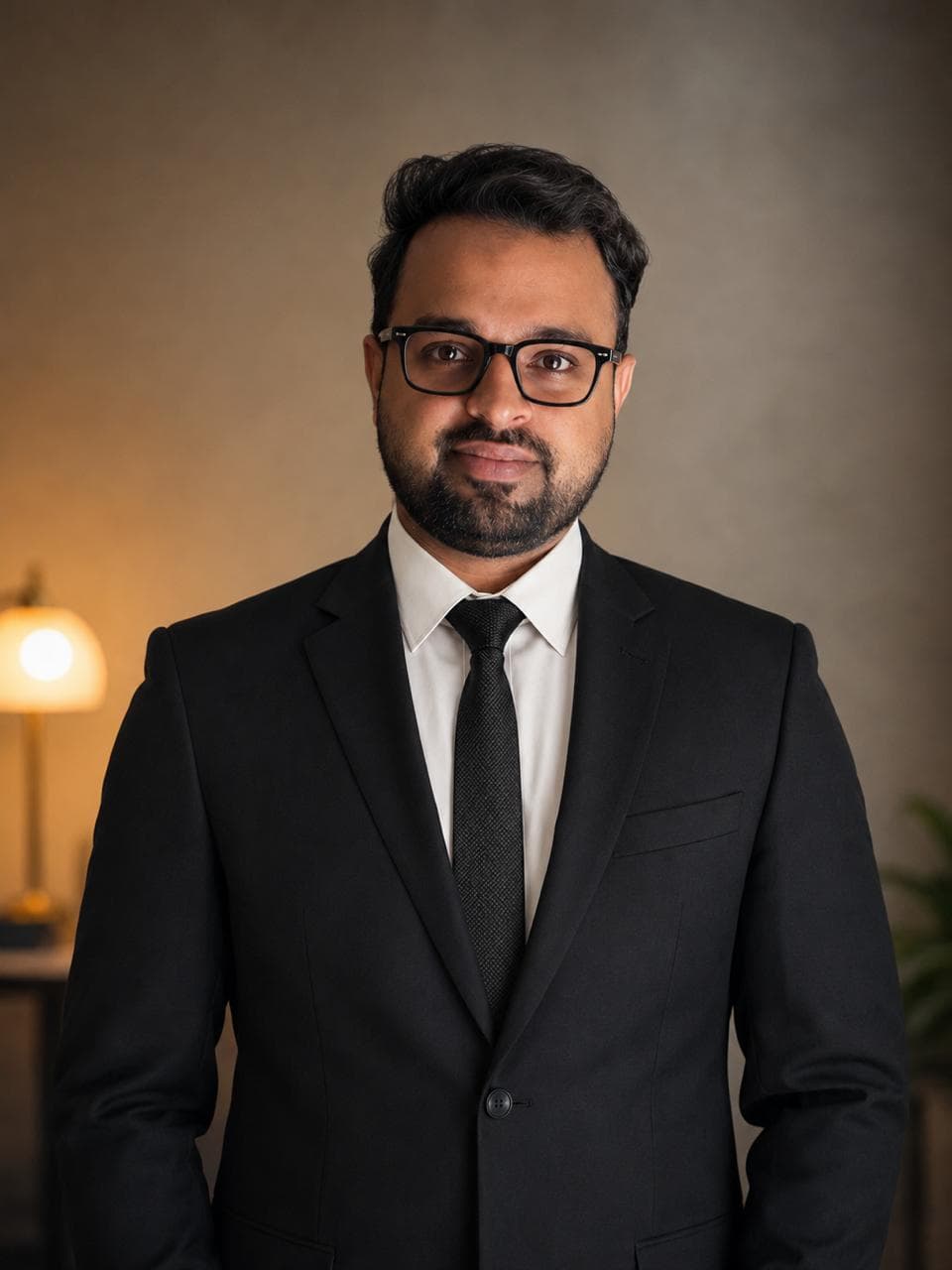
Ameerali PC
Context and Significance
Migration from Southern Arabia to Malabar predates the 7th century CE, but it was from the 16th century onward that Sayyids—families of Prophetic descent—emerged as a distinct diaspora. Their presence shaped the socio-religious, cultural, and political landscape of the region and enriched South India’s knowledge traditions.
Despite centuries of maritime links with Southern Arabia, East Africa, and Southeast Asia, South Indian Muslim history remains largely confined to land-based narratives shaped by colonial frameworks. This Centre aims to correct that imbalance by focusing on Sayyid communities—especially Hadhramis and Bukharis—who formed part of a transregional Islamic network.
Hadhramis (from Hadhramaut, Yemen) and Bukharis (from Bukhara, Uzbekistan) made lasting contributions to Kerala’s religious and cultural spheres, advancing Shafi-Sufi traditions and producing texts in Arabic, Malayalam, Arabimalayalam, Urdu, Tamil, and Persian. Influential figures such as the Hadhrami Sufi Shaykh al-Jufri played major roles in regional politics, spiritual life, and resistance to Mysorean invasions.
However, their rich scholarly legacy remains fragmented and inaccessible, with many manuscripts held privately or in neglected institutional collections. This project seeks to preserve, digitise, and disseminate this invaluable material.
Goals & Objectives
The proposed Centre aims to:
- 1Research Core: Establish a leading research institution focused on Sayyid communities in India.
- 2Specialized Library: Create a specialized library for Hadhrami and Sayyid studies.
- 3Preservation: Preserve cultural practices, manuscripts, and textual traditions.
- 4Academic Methodologies: Encourage contemporary research on Indian Ocean Islam through historical and anthropological methods.
Key Activities
- Locating personal and institutional libraries across South India.
- Collecting, cataloguing, and digitising rare manuscripts and genealogies.
- Funding preservation and archival initiatives.
- Offering fellowships and research grants to scholars.
- Collaborating with national and international partner institutions.